Discover the distinguished keynote speakers who will share their expertise and insights at T-LOG 2026. Our speakers are leading researchers and practitioners in transportation and logistics, bringing diverse perspectives from around the world.

Professor Shuaian Wang
Hong Kong Polytechnic University (PolyU), China
Dr. Wang is currently Professor at The Hong Kong Polytechnic University (PolyU). Prior to joining PolyU, he worked as a faculty member at Old Dominion University, USA, and the University of Wollongong, Australia. Dr. Wang's research interests include big data in shipping, green shipping, shipping operations management, port planning and operations, urban transport network modeling, and logistics and supply chain management. Dr. Wang has published over 300 papers in journals such as Transportation Research Part B, Transportation Science, Management Science, and Operations Research. Dr. Wang is a co-editor-in-chief of Transportation Research Part E, an editor-in-chief of Cleaner Logistics and Supply Chain, a founding editor-in-chief of Communications in Transportation Research, an area editor of Flexible Services and Manufacturing Journal, an associate editor of Transportation Research Part B, Transportmetrica A, Transportation Letters, and Transportation Research Record. Dr. Wang dedicates to rethinking and proposing innovative solutions to improve the efficiency of maritime and urban transportation systems, to promote environmentally friendly and sustainable practices, and to transform business and engineering education.
Title: A few low-hanging fruits in transportation paper writing and submission
Sloppy writing and careless manuscript preparation often lead editors and reviewers to question an author's commitment to research rigor, frequently resulting in rejection—or even an immediate desk rejection. Drawing on experience managing over 5,000 submissions, this talk highlights several common mistakes in transportation research writing. These errors represent 'low-hanging fruit': they are highly visible yet simple to correct immediately and easy to avoid in the future. This talk aims to provide junior transportation researchers with actionable guidance to elevate their manuscript quality and maximize their chances of publication success.
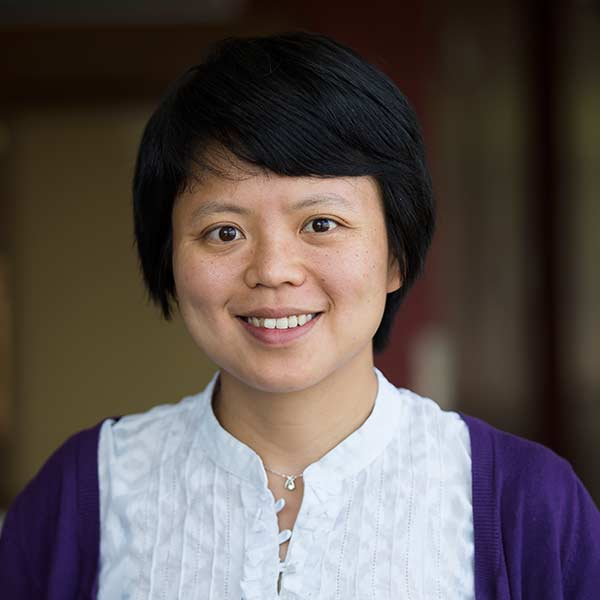
Professor Siqian Shen
University of Michigan at Ann Arbor, USA
Siqian Shen is a Professor in the Department of Industrial and Operations Engineering (IOE), with a joint appointment in Civil and Environmental Engineering (CEE) at the University of Michigan-Ann Arbor, and an Associate Director for Michigan Institute for Computational Discovery and Engineering (MICDE). She obtained her B.S. degree from Tsinghua University and Ph.D. from the University of Florida. Her research focuses on theories of stochastic and robust optimization, integer programming, and network optimization, with applications in energy, transportation, and infrastructure systems. Siqian is currently serving in the editorial boards of Operations Research, Manufacturing & Service Operations Management, and IISE Transactions. Siqian has received several recognitions and awards, including the US Department of Energy (DoE) Early Career Award, IBM Smarter Planet Innovation Faculty Award, and several best paper prizes from INFORMS, IEEE, and IISE. She is a Richard Wilson Faculty Scholar in IOE and is a Fellow of the Institute of Industrial and Systems Engineers (IISE).
Title: Towards Sustainable and Efficient Robotaxi Deployment
The deployment of automated vehicles (AVs) for on-demand mobility services—commonly referred to as robotaxis—has progressed rapidly in recent years. As these systems move closer to large-scale adoption, there is an urgent need for principled frameworks, models, algorithms, and policy guidelines to enable their efficient and reliable deployment. In this talk, we first review the current landscape of AV-enabled mobility services, highlighting key technological enablers and their transformative impact on transportation systems. We then present preliminary results from two ongoing studies on robotaxi deployment in ride-hailing platforms with mixed fleets of autonomous vehicles and human-driven vehicles. The first study focuses on joint matching and pricing mechanisms, while the second examines the operational and infrastructure trade-offs between free-floating and station-based robotaxi systems. Both studies are formulated as two-stage stochastic optimization models that explicitly capture demand uncertainty and variability in human driver supply. In addition, we discuss stochastic dynamic modeling approaches for real-time, sequential decision-making in large-scale, on-demand transportation systems. Together, these results contribute toward a systematic and computationally tractable foundation for efficient robotaxi deployment.
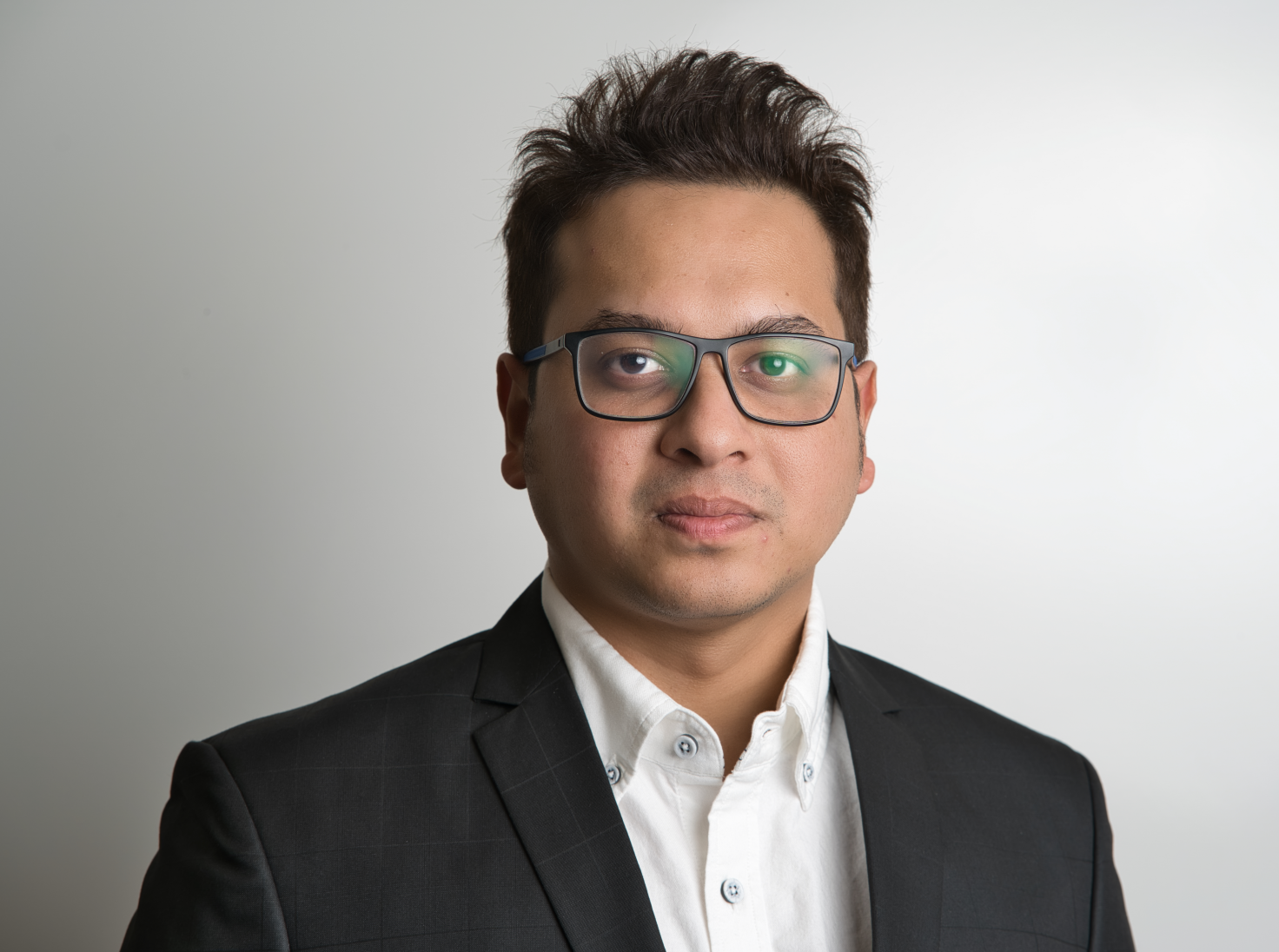
Professor Ziaul Haque Munim
University of South-Eastern Norway – Campus Vestfold, Norway
Professor Munim's main research interests include maritime transport, autonomous shipping, and artificial intelligence applications. His research has appeared in leading maritime, management, and engineering journals. Several of his published research have been most cited and most downloaded in academic journal over the years. He has received several best paper awards from journals and conferences.
Title: Towards real-time maritime accident risk prediction.
Maritime accidents remain a major concern for stakeholders in the shipping industry. The ability to predict the probability of such incidents in real time would enable timely interventions and risk mitigation. Advances in artificial intelligence (AI) and big data analytics offer significant potential in this regard; however, important challenges remain. This talk presents an overview of the state of the art in maritime accident risk prediction using AI, highlights key methodological and data-related limitations, and outlines future pathways towards achieving reliable real-time risk prediction in maritime operations.
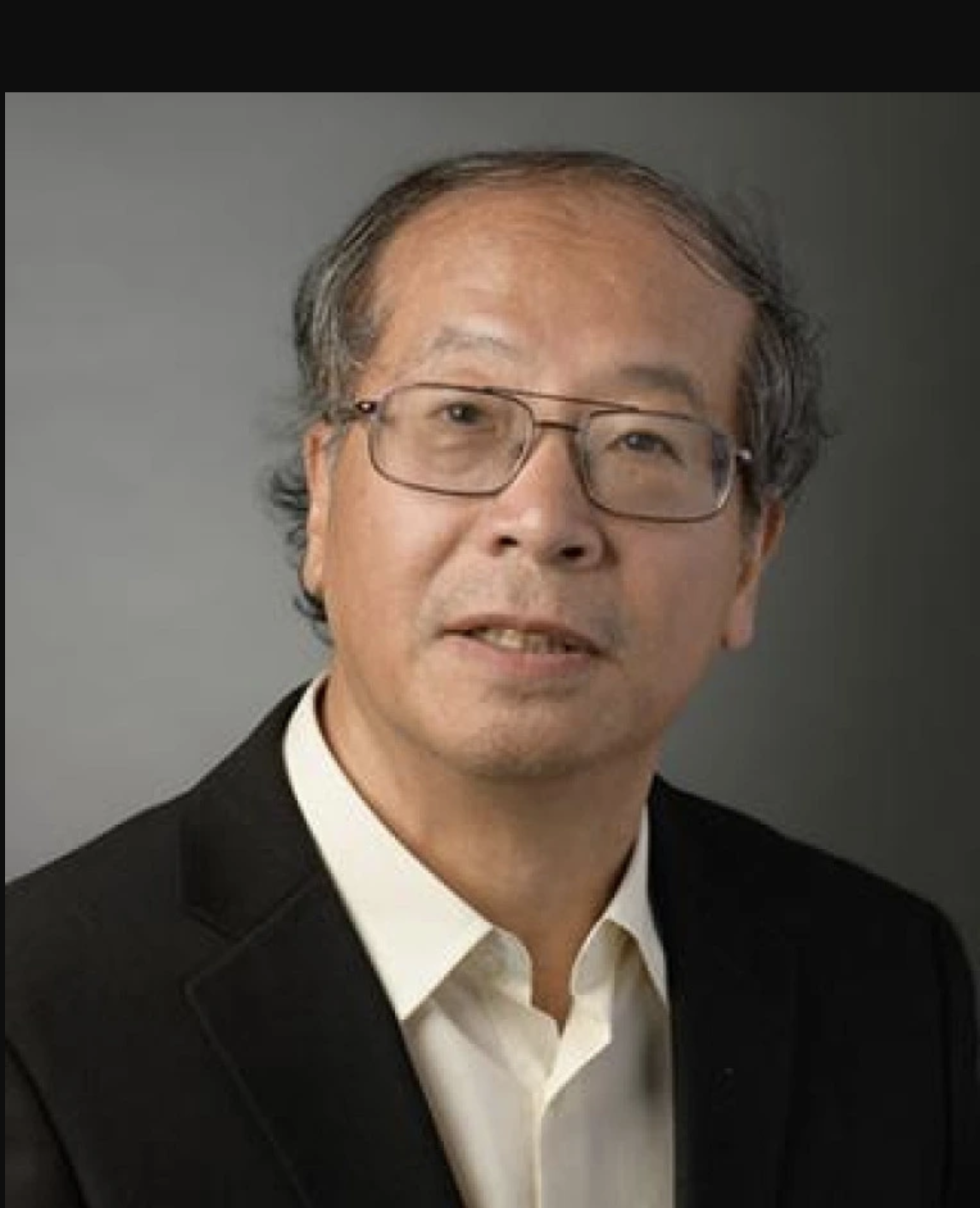
Professor Wei Hua Lin
University of Arizona, USA
Wei Lin is a Professor of Systems and Industrial Engineering at the University of Arizona. He received his PhD in Civil Engineering from the University of California at Berkeley. He has worked as a postdoctoral researcher at the PATH program of the University of California at Berkeley. He is the past paper review coordinator for the Intelligent Transportation Systems Committee of Transportation Research Board, National Research Council, and is currently the associate editor of IEEE Transaction on Intelligent Transportation Systems. He is the author/coauthor of over 70 papers and his research areas cover traffic control, logistics systems analysis, and network optimization.
Title: Vehicle–Traffic Control Interaction: The Role of AI in Intelligent Transportation Systems.
Over the past three decades or so, numerous transportation initiatives have been launched, from smart roads to automated highway systems (AHS) and self-driving vehicles. In this talk, we identify the similarities and differences of those initiatives and draw lessons from them to evaluate the new opportunities in utilizing the cutting-edge technology in information and communication to make our transportation system more efficient. With the rapid development in artificial intelligence, "interaction” has become a key feature of AI which has been incorporated into many systems. We discuss from the system’s perspective how the interaction between individual vehicles and system control can be realized in a self-organizing system to improve the efficiency of a transportation system in terms of cost reduction and increased system throughput while ensuring privacy and fairness/equality.
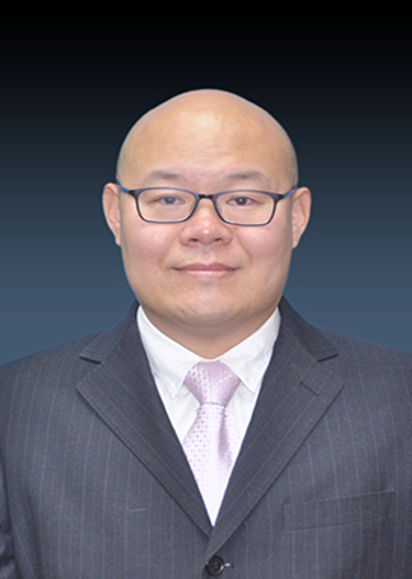
Professor Xiaobo Qu
Tsinghua University, China
Xiaobo Qu is a Changjiang Chair Professor with the School of Vehicle and Mobility, Tsinghua University since Dec 2021. His research is focused on intelligent transportation systems, ground-air cooperation and vertical transportation systems, and emerging transport mode informed mobility services. He has authored or co-authored over 200 journal articles published at top tier journals, including 21 ESI highly cited papers. He has been an elected Member of Academia Europaea–the Academy of Europe since Aug 2020. He was a faculty member at two Australian Universities from 2012-2017, joined Chalmers University of Technology, Sweden, as a Professor in Feb 2018, promoted to Chair Professor rank in Feb 2020. He is also a board member of (People's Insurance Company of China) PICC group (02328.HK) and Changzhou NRB Corporation (002708.SZ), two publicly traded companies listed in Hong Kong and Shenzhen Stock exchanges.
Title: Future Transport: Autonomy, Verticalization and Cloud Control.
As global urbanization rapidly advances, the management of traffic congestion in large cities has become an urgent challenge. However, urban transportation infrastructure (such as roads, buses, subways, etc.) lacks capacity elasticity and is unable to rapidly adapt to the dynamic fluctuations in travel demand, leading to phenomena such as congestion during peak hours and underutilization during off-peak hours. The intelligent connected vehicle-road-cloud system presents a potential solution to the supply-demand imbalance in transportation systems. Through the deep integration and collaboration among intelligent vehicles, road infrastructure, and cloud platforms, the system can effectively enhance the capacity elasticity, thereby optimizing traffic flow and mitigating congestion. As a typical application scenario of the vehicle-road-cloud system, the demand-responsive micro-transit provides a flexible travel service that bridges the gap between regular buses and ride-hailing cars through intelligent scheduling algorithms. Flying cars represent the ultimate solution to traffic system problems, capable of detaching from the reliance on infrastructure.

Dr. Ichio Motono
Vice President of International Association of Ports and Harbors (IAPH)
Senior executive director of Yokohama port Corporation, JAPAN
Executive Director, The Overseas Coastal Area Development Institute of Japan(OCDI)
Dr. Ichio Motono began his career at the Japanese Ministry of Transport in 1985, where he gained experience in formulating port development and management plans at several Japanese ports. He joined The Overseas Coastal Area Development Institute of Japan (OCDI) in 2020, where he has been engaged in port development and/or capacity building projects throughout the world including the South Pacific Islands, Cambodia, Bangladesh and South Sudan. Since 2022, he has been a senior executive director of Yokohama Port Corporation, where he has been involved in the management and operation of RO/RO terminals and general cargo terminals, as well as the leasing of container terminals. In 2025, he was elected as Vice President of the International Association of Ports and Harbors (IAPH). He earned his PhD in engineering from Kyushu University and has served as an associate professor at Kyoto University’s Graduate School of Management. He is interested in integrating academic study into real-world applications in the port sector.
Title: Decarbonization Challenge in Yokohama Port.
The abstract of the keynote speech will be provided here.
